

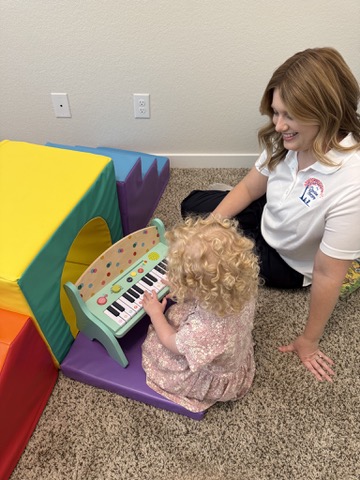
Why Oral Motor Function and Airway Health Matter for Child Development
When we think about child development, we often focus on milestones like crawling, walking, talking, eating, and learning. But underneath many of these skills are foundational systems that work together every day—including the muscles of the mouth and face, breathing, posture, sleep, and nervous system regulation.
At Devine Therapy, we look at the whole child and consider how these systems may be connected. Oral motor function and healthy breathing patterns are an important part of that picture.
What Is Oral Motor Function?
Oral motor skills involve the coordinated movement and control of the muscles of the lips, tongue, jaw, cheeks, and mouth.
These muscles are involved in much more than eating. They contribute to:
- Breastfeeding and bottle feeding
- Chewing and swallowing
- Speech and sound production
- Lip closure
- Tongue movement and positioning
- Facial expressions
- Nasal versus mouth breathing
- Development of efficient oral movement patterns
For infants and young children, these skills are developing rapidly. Difficulty with oral motor control can sometimes show up as challenges with feeding, chewing, managing food in the mouth, maintaining lip closure, or coordinating the tongue and jaw.
But oral motor function doesn’t exist in isolation. The mouth, jaw, head, neck, and body all work together.
The Connection Between the Mouth, Airway, and Posture
Breathing is one of the body’s most important functions, and the way a child breathes can influence how they organize their body.
When the airway is comfortable and breathing is efficient, the body can maintain a more relaxed and functional position. When a child has difficulty breathing comfortably through the nose, they may compensate by opening their mouth, changing their head or neck position, or using additional muscles to help maintain airflow.
Over time, these compensations can influence posture and movement patterns.
For example, you may notice a child who:
- Frequently breathes through their mouth
- Often has their lips apart at rest
- Sleeps with their mouth open
- Positions their head or neck in an unusual way during sleep
- Has difficulty maintaining an upright posture
- Frequently extends their neck
- Appears to use extra effort to breathe
- Has difficulty keeping their tongue in a functional resting position
These observations don’t necessarily mean that a child has an airway problem. However, they can be useful clues that deserve a closer look.
Why Breathing During Sleep Matters
Sleep is one of the most important times for a child’s brain and body to recover, grow, and regulate.
Healthy sleep supports attention, learning, memory, behavior, emotional regulation, and overall development. The American Academy of Pediatrics recommends screening children for symptoms of sleep-disordered breathing, including habitual snoring and other nighttime breathing concerns.
Signs that may be worth discussing with your child’s healthcare provider include:
- Frequent or loud snoring
- Mouth breathing during sleep
- Restless sleep
- Frequent nighttime waking
- Pauses, gasps, or noisy breathing during sleep
- Sleeping in unusual positions to breathe more comfortably
- Morning headaches
- Daytime sleepiness
- Changes in attention or behavior
Sleep-disordered breathing has been associated with daytime behavioral and attention difficulties in children. Research has found associations between symptoms of sleep-disordered breathing and hyperactivity, inattention, and daytime sleepiness.
This does not mean that every child who struggles with attention or regulation has an airway or sleep problem. It simply means that sleep and breathing are important pieces of the developmental picture that shouldn’t be overlooked.
Breathing, Attention, and Regulation
A child’s nervous system is constantly taking in information from the environment and from the body.
Breathing is part of that internal sensory information.
When a child is tired, uncomfortable, or having difficulty breathing during sleep, their ability to regulate their body and attention during the day may be affected. In some children, poor sleep can look less like sleepiness and more like irritability, impulsivity, difficulty sitting still, or trouble sustaining attention.
This is one reason we encourage parents to look at the whole picture rather than focusing on one isolated behavior.
Instead of simply asking:
“Why can’t my child sit still?”
we can also consider:
“How is my child sleeping?”
“How are they breathing?”
“Are they comfortable?”
“How is their posture?”
“How are they processing sensory information?”
These questions can sometimes reveal important pieces of the puzzle.
Posture and Oral Motor Development
Posture provides the foundation for many of the skills children use throughout the day.
A child needs a stable foundation to efficiently use their hands, eyes, mouth, and body. Head and neck positioning can also interact with oral motor function and breathing.
For example, when a child is sitting and playing, we may look at:
- Head and neck alignment
- Trunk stability
- Shoulder position
- Ability to maintain an upright posture
- Breathing pattern
- Jaw stability
- Tongue and lip movement
- Ability to coordinate both sides of the body
These systems work together rather than functioning as separate parts.
A child who is working very hard to maintain their posture may have fewer resources available for fine motor tasks, visual attention, communication, or play.
What Parents Can Look For
You don’t need to become an expert in oral motor development or airway anatomy to notice patterns.
Start by observing your child during everyday activities.
During the day:
- Are their lips typically together or apart at rest?
- Do they frequently breathe through their mouth?
- Can they comfortably breathe through their nose?
- Do they have difficulty chewing or managing different textures?
- Do they have difficulty with lip or tongue movements?
- Do they frequently sit with their head forward or mouth open?
During sleep:
- Do they snore regularly?
- Do they sleep with their mouth open?
- Is their breathing noisy?
- Do they frequently move around or sleep in unusual positions?
- Do you notice pauses, gasping, or changes in breathing?
During the day:
- Do they seem unusually tired?
- Do they have difficulty regulating their emotions?
- Do they struggle to sustain attention?
- Do they seem constantly “on the go”?
- Do they have difficulty maintaining an upright posture during play or school activities?
One sign by itself doesn’t necessarily indicate a problem. Patterns are what matter.
Looking at the Whole Child
At Devine Therapy, we believe development is interconnected.
Breathing, sleep, posture, sensory processing, oral motor skills, movement, and regulation can all influence how a child participates in everyday life.
Occupational therapy can help identify functional patterns that may be affecting participation in feeding, play, learning, movement, and daily routines. When concerns involve breathing or possible sleep-disordered breathing, collaboration with the child’s pediatrician and appropriate medical or airway professionals is important.
Our goal isn’t to label every difference as a problem. It’s to understand why a child may be working harder than they need to and determine what support may help.
Sometimes the smallest observations—how a child sleeps, how they breathe, how they sit, or how they use their mouth—can provide valuable information about the bigger developmental picture.
When to Reach Out
If you notice persistent mouth breathing, frequent snoring, disrupted sleep, feeding or oral motor difficulties, unusual postural patterns, or concerns about your child’s attention and regulation, consider bringing these observations to your child’s healthcare team.
Early observation can help families identify patterns and connect with the right professionals when additional support is needed.
Development is interconnected. When we understand the whole child, we can better support the foundations that allow them to move, play, learn, communicate, and thrive.
This article is for educational purposes only and is not intended to diagnose or treat a medical condition. Concerns about breathing, airway function, snoring, or sleep-disordered breathing should be discussed with your child’s pediatrician or an appropriately qualified healthcare professional.